The Illusion of Safety: Why Overconfidence in Digital Skills Leaves Dnipro Residents Vulnerable
Experts warn that as online scammers adopt artificial intelligence, routine digital habits and misplaced trust put internet users at high risk.
 💼Economy
Photo: RBC-Ukraine
Key points
- Over 55% of people skip digital training due to overconfidence in their existing skills.
- Scammers increasingly rely on artificial intelligence to spoof voices and fabricate convincing messages.
- Two-thirds of users encounter security threats annually, yet many take no protective measures.
Residents of Dnipro navigate the digital world automatically every day, opening links, checking banking apps, and trusting messages from familiar contacts. However, this routine often creates a false sense of security. Studies on digital literacy show that over half of those who refuse to learn new skills explain it simply: "I already know everything." Meanwhile, about 67% of internet users face data security issues, including phishing and compromised accounts, within a single year.
The Evolving Threat of Artificial Intelligence
The internet changes faster than users can adapt, and cybercriminals are quick to leverage new tools. According to European cybersecurity agencies, the majority of social engineering attempts now involve artificial intelligence. Scammers can clone voices using seconds of audio or send malicious links from compromised accounts belonging to friends or family members.
- 44% of Ukrainian internet users have received requests to transfer money from hacked accounts of acquaintances.
- One in four users takes zero measures to protect their personal data online.
- Only a third of respondents feel safe while browsing the web.
The most dangerous thing on the internet is the certainty that we know everything, experts point out.
Today, digital literacy is less about complex technical terms and more about the ability to doubt the information we receive. Various educational campaigns are underway to improve public cyber hygiene and help people recognize sophisticated online traps. Dnipro residents are encouraged to adopt healthier digital habits, double-check urgent financial requests through alternative communication channels, and remain vigilant against unexpected links.
Source RBC-Ukraine — rbc.ua/ukr/news/naynebezpechnishe-interneti-upevnenist-shcho-179515… ↗
Read next
 🛡️Security
Western Intelligence Warns: Russia Prepares to Place Nuclear Weapons in Space
NATO countries have received urgent warnings that Russia may deploy a nuclear-armed satellite into orbit in the coming weeks, threatening global satellite networks and cr…
 🧠AI Analysis
Jet-Powered Geran Drones: Expert Analysis of New Russian UAVs and Their Threat
Experts explain the dangers of new Russian jet-powered «Geran-5» and «Geran-6» drones, featuring significantly higher speeds and enhanced destructive kinetic energy.
 🩺Health
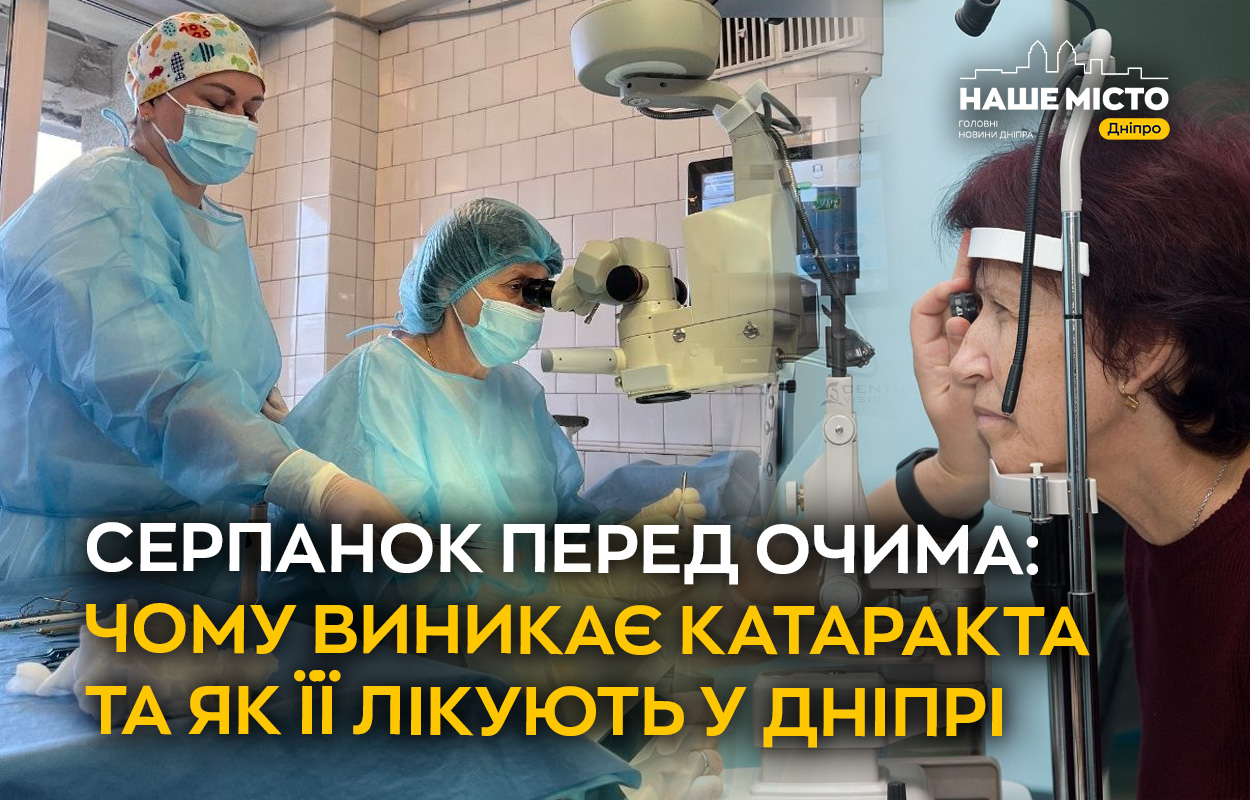
Restoring Sight: How Cataracts Are Treated for Free in Dnipro
Dnipro residents and displaced persons can access free cataract surgeries through the state medical guarantee program.
 🏙️City
Warmer Than Average: Meteorologists Forecast a Mild December
The first month of winter in Ukraine is expected to be 1–2°C warmer than the climate norm. Forecasters predict prevailing above-freezing temperatures, rain, and wet snow.
 🛡️Security
Finland considers Ukraine's experience to strengthen border with Russia
Finnish lawmakers are discussing the possibility of building large-scale defensive fortifications along the Russian border during peacetime, drawing lessons from the war …
 🛡️Security
Tragedy in Dymer: Death toll rises as rescue efforts continue
In the village of Dymer, Kyiv region, rescuers pulled a 79-year-old woman from the rubble, but the death toll from the Russian attack has risen to nine.