Global Cooperation of Authoritarian Regimes: A New Geopolitical Reality
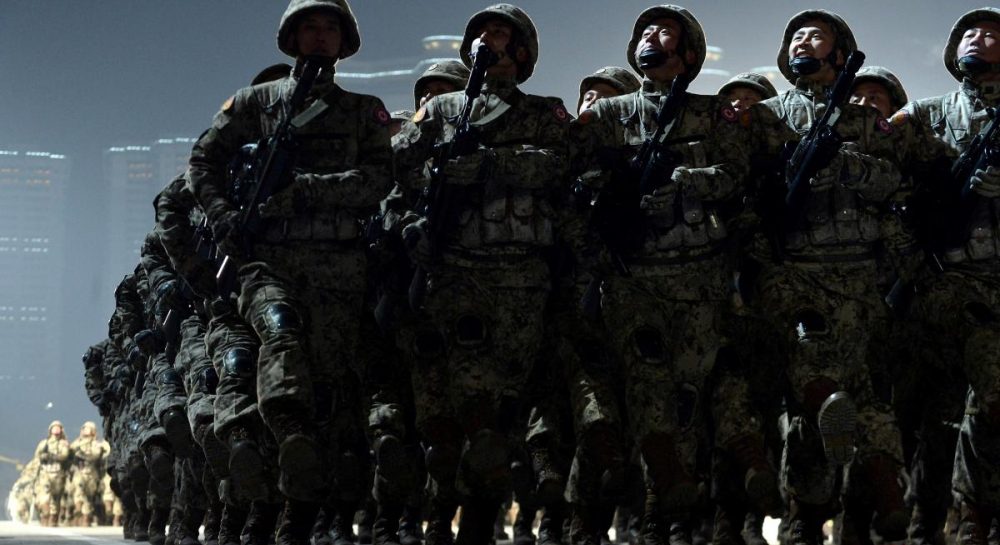
The Economist analysts highlight the strengthening collaboration between Russia, China, Iran, and North Korea, posing significant challenges to global stability.
 💼Economy
Photo: UNIAN
Key points
- Emergence of an informal alliance: Russia, China, Iran, and North Korea
- Over 600 security cooperation cases recorded in 6 years
- Shifts in U.S. defense communication policies
A New Format of Geopolitical Confrontation
The Economist reports on the emergence of an informal yet increasingly coordinated alliance between Russia, China, Iran, and North Korea. Despite lacking a formal structure like NATO, these nations are actively sharing military technology, intelligence, and operational expertise, which helps them mitigate the impact of international sanctions.
The Scale of Cooperation and Its Implications
According to the FDD think tank, over 600 instances of security cooperation were recorded between these countries from 2019 to 2025. This interaction intensified significantly following the full-scale Russian invasion of Ukraine. Experts note that while their interests do not always align—such as in Middle Eastern stability or energy pricing—their mutual support makes them increasingly dangerous, complicating Western efforts to contain them individually.
Meanwhile, the United States is adjusting its military policy. Defense Secretary Pete Hegset has implemented new restrictions on informal contacts between U.S. military personnel and foreign counterparts. Analysts suggest this move reflects the uncertainty and caution within Washington as it grapples with these evolving global threats.
Source UNIAN — unian.ua/world/rosiya-knr-iran-ta-pivnichna-koreya-stvorili-neforma… ↗
Read next
 🛡️Security
Tragedy in Dymer: Death toll rises as rescue efforts continue
In the village of Dymer, Kyiv region, rescuers pulled a 79-year-old woman from the rubble, but the death toll from the Russian attack has risen to nine.
 🛡️Security
Electricity restored in Rivne region following enemy attack
Energy workers have fully restored power to the Sarny district, which was affected by a Russian strike on November 20.
 👥Society
Autumn Rose Care in Dnipro: Expert Pruning Advice
Experts explain why rushing autumn rose pruning can harm plants and how to properly prepare bushes for the winter season.
 🇺🇦Ukraine
Estonia affirms Ukraine's right to self-defense following Gulf of Finland incident
Estonian Foreign Minister Margus Tsahkna stated that the strike on a Russian vessel is a consequence of Russia's war and reiterated Ukraine's right to defend itself.
 🛡️Security
Rescue operation in Dymer: 89-year-old woman pulled from rubble
Search and rescue operations continue in the Kyiv region following a drone strike on a residential building. The death toll has risen to nine.
 🛡️Security
Russian corvette 'Mercury' in Libya: suspected Ukrainian drone strike
A Russian warship was reportedly damaged in the Libyan port of Benghazi following an incident involving suspected maritime drones.