Beijing's Tech Trap: Key Takeaways from the Putin-Xi Meeting
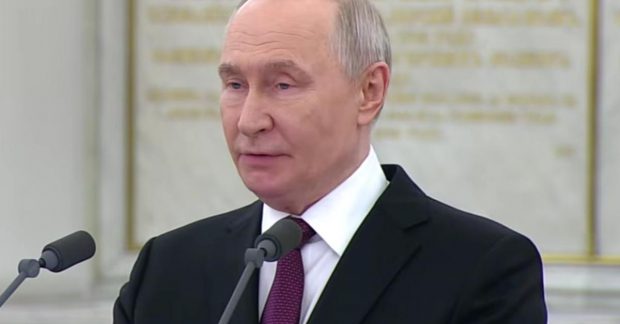
The fourth meeting between the leaders of Russia and China this year highlights Moscow's growing technological dependence on Beijing amid the ongoing war in Ukraine.
 🇺🇦Ukraine
Photo: UNIAN
Key points
- Russia is trading its technological sovereignty for Chinese industrial support.
- China aims for Arctic independence by 2035, potentially sidelining Russian interests.
- Beijing views the Ukraine conflict through the lens of global trade competition with the US and EU.
Vladimir Putin and Chinese leader Xi Jinping held their fourth bilateral meeting of the year in Beijing. While officially framed as a strategic breakthrough, the talks reveal a deepening dilemma for the Kremlin. The primary focus remains the Northern Sea Route, a project Russia views as a geopolitical asset but lacks the financial and technological resources to develop independently.
Arctic Ambitions and Technological Shift
Russia aims to market the Northern Sea Route as a shortcut between Asia and Europe, leveraging its vast energy reserves. However, without Western technology, Moscow is forced to rely on Beijing. China is playing a long game, aiming to launch its own Arctic fleet by 2035, which would eventually eliminate its need for cooperation with Russia's state nuclear corporation, Rosatom.
Simultaneously, Beijing is conducting a massive experiment: replacing Western industrial components in Russia with Chinese alternatives. Except for aircraft engines and specific biotechnologies, Russia's industrial base is being reformatted to Chinese standards. This shift transforms a trade issue into a matter of long-term foreign policy autonomy for Moscow.
The War Dilemma and Global Trade
Putin faces a critical choice: persist with the war in Ukraine and sacrifice technological sovereignty, or halt the conflict without achieving his personal goals. Beijing is in no rush to mediate a quick resolution, as the prolonged conflict ensures Russia's economic tethering to China. For China, peace negotiations are less about regional borders and more about restructuring global trade within the EU-US-China-Russia framework.
"Putin's goals of stopping the war on his own expanding terms while lifting sanctions are increasingly unrealistic in the face of China's strategic patience," analysts suggest.
Ultimately, Russia's future depends on whether Beijing can leverage Moscow's weakness to secure trade concessions from Europe. Symbolic meetings, including potential trilateral formats, have yet to produce practical results, leaving Russia as a junior partner in a global power play.
Source UNIAN — unian.ua/world/zustrich-putina-si-czinpina-i-trampa-v-kitaji-eksper… ↗
Read next
 💼Economy
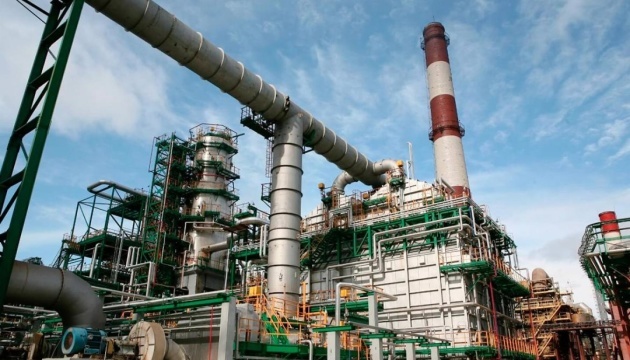
Drone strikes halve Russia’s oil refining capacity in November
Systematic drone attacks on Russian oil infrastructure have significantly reduced crude processing volumes across major refineries.
 🛡️Security
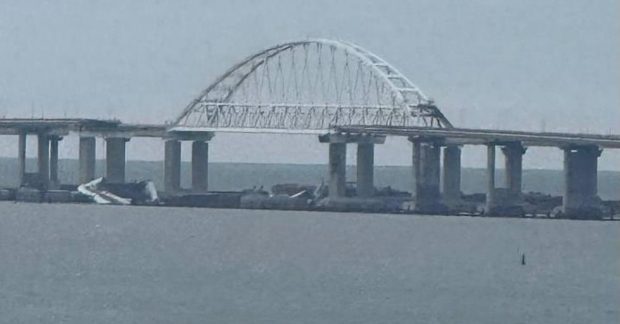
Experts estimate timeline for Crimean Bridge repairs following recent attack
The New York Times analysts suggest that repairing the Crimean Bridge could take years due to the severity of the damage.
 🏙️City
Power outage schedules for CEK subscribers in Dnipro on November 19, 2026
On Thursday, November 19, residents served by CEK in Dnipro will face power outages throughout the day.
 🏙️City
Power outage schedules in Dnipro for November 19: what CEK customers need to know
On November 19, residents of Dnipro served by the Central Energy Company (CEK) will face scheduled power outages throughout the day.
 🏙️City
Power outage schedules in Dnipro for November 19
On November 19, power supply restrictions will be in effect throughout the day in Dnipro for both residential and industrial consumers.
 🛡️Security
Multinational 'Coalition of the Willing' Forces Conclude First Exercises in Poland
A coalition of 11 nations has completed large-scale military exercises in Poland, focusing on command coordination and operational readiness to support Ukraine.