Spacecraft Voyager 1 reaches one light-day distance from Earth
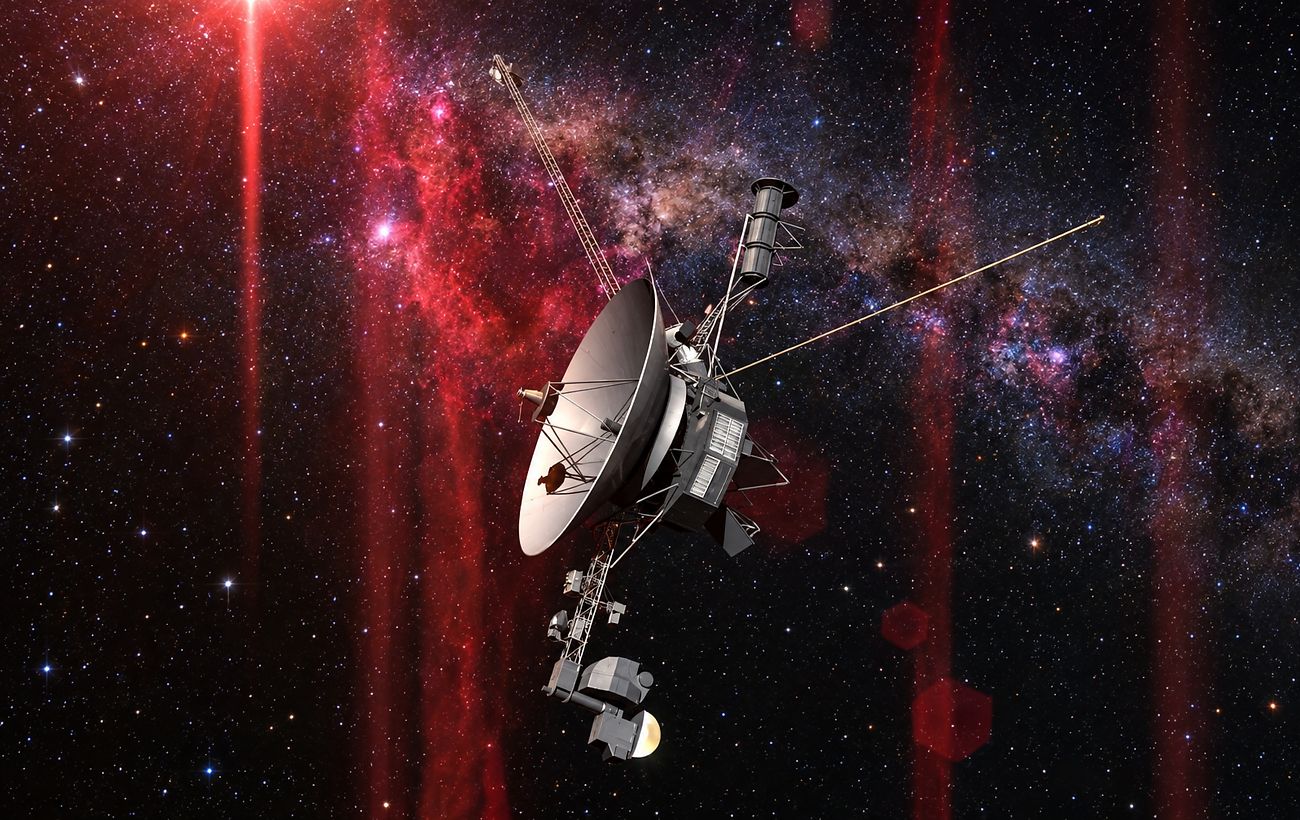
NASA's legendary interstellar probe Voyager 1 has achieved a historic milestone by traveling a distance from Earth that takes light 24 hours to cross.
 💡Tech
Photo: RBC-Ukraine
Key points
- Voyager 1 reached a distance of one light-day from Earth
- Radio signals now take a full 24 hours to reach the spacecraft
- Both probes were launched in 1977 but took different routes
- NASA engineers continue optimizing power to extend mission life
Spacecraft Voyager 1 has crossed another historic milestone in its journey through the cosmos. As of November 18, 2026, the probe has moved far enough from our planet that a radio signal takes exactly 24 hours to reach it, covering a distance of over 25 billion kilometers. The aerospace agency NASA plans to mark this achievement with special events, inviting space enthusiasts to transmit symbolic signals using Morse code.
Differences in the trajectories of the twin probes
Interestingly, both spacecraft were launched back in 1977 with a difference of just two weeks, with Voyager 2 actually heading into space first. However, due to a different trajectory, Voyager 1 managed to outpace its sibling. The difference in speed is explained by distinct scientific objectives: the first probe was sent along a faster path past Jupiter and Saturn before exiting the solar system entirely.
Meanwhile, Voyager 2 was assigned to study all four giant planets using complex gravitational maneuvers. Due to its flyby near Uranus and Neptune, including a close look at its moon Triton, this spacecraft altered its course and lost some speed. As a result, Voyager 2 travels slower and will reach the one light-day mark nearly a decade later.
Current status of the interstellar travelers
Despite their advanced age, both probes continue to function within interstellar space, having entered it in 2012 and 2018 respectively. Engineers at NASA's Jet Propulsion Laboratory are constantly taking measures to conserve power from the gradually depleting nuclear sources. Thanks to optimization and the shutdown of non-essential instruments, humanity has a strong chance of receiving data from these unique probes well into the 2030s.
Source RBC-Ukraine — rbc.ua/ukr/news/voyager-1-vidletiv-svitloviy-den-vid-zemli-17950032… ↗
Read next
 👥Society
Youth Council of Kamianske hosts board game evening
The Youth Council of Kamianske invites residents to join the 'Between Us' board game event on November 21.
 🏙️City
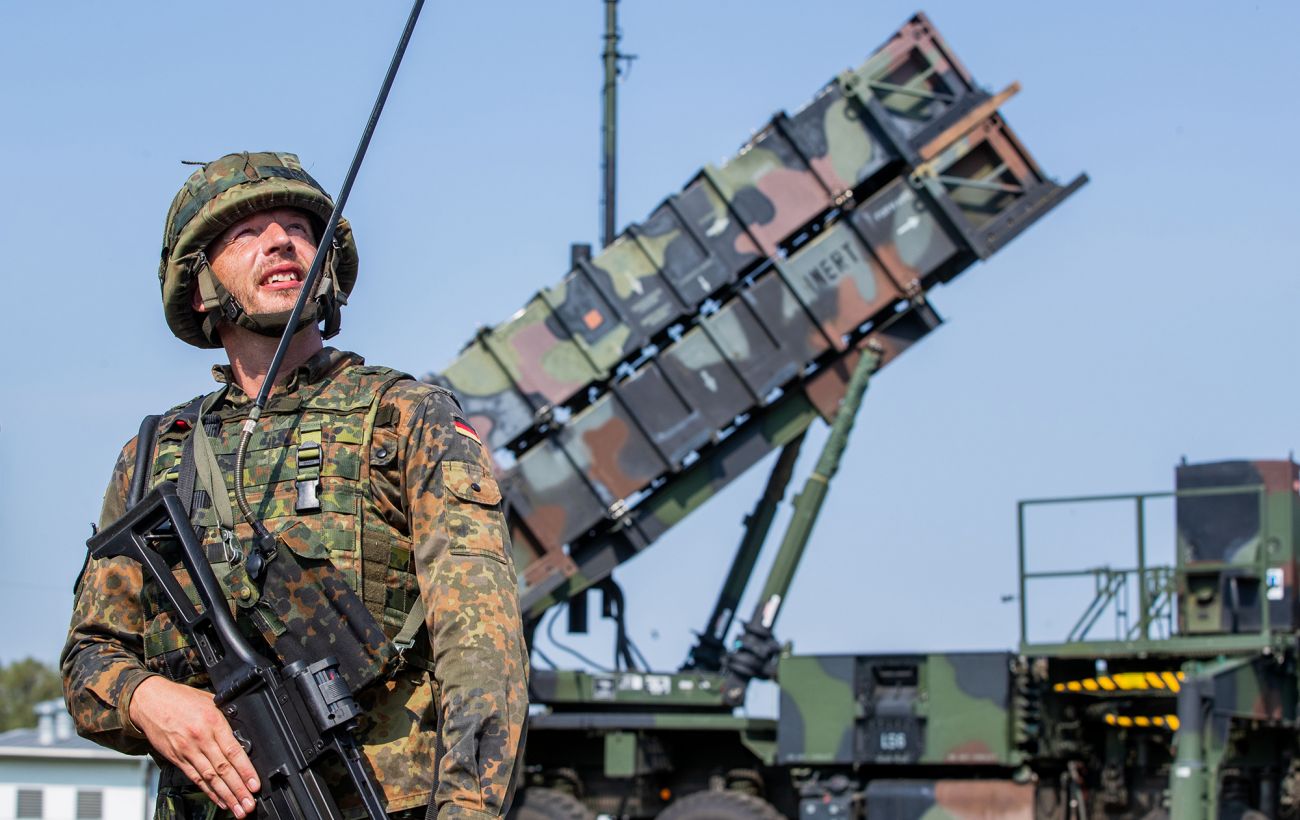
Ukraine's Defense Industry: Laser Weapons and Air Defense Challenges
Ukraine's defense industry has significantly scaled up drone and missile production, but remains heavily dependent on foreign air defense systems.
 💼Economy
OLX to Implement Mandatory Verification via 'Diia' for Sellers
Starting in 2027, OLX sellers using the delivery service must verify their identity via the 'Diia' app to comply with new tax regulations.
 🏛️Politics
SBU General accuses leadership of blocking investigations into NABU
SBU Major General Serhii Duka claimed that in autumn 2025 he was instructed not to accelerate cases involving NABU director Semen Kryvonos.
 🏛️Politics
Scandal surrounding SAP: political expert accuses anti-corruption activists of selectivity
Political expert Artur Bilous has criticized prominent anti-corruption activists for their lack of reaction to leaked recordings involving the entourage of SAP head Oleks…
 🏙️City
Residents of Dnipropetrovsk region can receive financial aid for firewood
The Shchedryk Charitable Foundation has announced a new cash assistance program for solid fuel heating for vulnerable households in the region.