Russian Missile Incursion in Poland: Why NATO Interceptors Held Their Fire
During a strike on Ukraine, Russian missiles breached Polish airspace; a Swedish Gripen pilot refrained from shooting due to poor identification conditions.
 💼Economy
Photo: TSN
Key points
- A Swedish Gripen pilot intercepted a Russian Kh-101 but did not fire due to poor visibility.
- Three Russian aerial targets breached Polish airspace at speeds over 800 km/h.
- The operation involved assets from Poland, Sweden, and the Netherlands under NATO command.
In the early hours of November 20, Russian cruise missiles and high-speed drones violated Polish airspace during a large-scale offensive against western Ukraine. The incident triggered an immediate response from NATO's integrated air defense, involving Polish F-16s and Swedish Gripen fighters. Notably, a Swedish pilot intercepted a Russian Kh-101 missile but chose not to engage, despite having the necessary clearance from command.
Identification Challenges and Rules of Engagement
Lieutenant General Ireneusz Nowak, Operational Commander of the Polish Armed Forces, stated that "extremely difficult weather conditions" prevented the pilot from positively identifying the target. Neither visual contact nor opto-electronic systems could confirm the nature of the object with sufficient certainty. Under NATO protocols, all conditions for weapon system deployment must be met to avoid collateral damage or friendly fire, which was not possible during the night mission.
Military tracking indicated that the intruders were traveling at speeds exceeding 800 km/h, identifying them as either Kh-101 cruise missiles or jet-powered "Geran-5" drones. A total of 11 aerial objects were monitored, with three confirmed to have breached Polish territory. While no casualties were reported, the incident led to the declaration of a "red" threat level in several border regions.
Allied Coordination and Political Fallout
The defensive operation was a multinational effort coordinated by the NATO Combined Air Operations Centre (CAOC) in Uedem, Germany. Assets included Polish F-16s from Łask Air Base, Swedish Gripens, a Saab 340 AEW&C aircraft, and a Dutch MRTT tanker. Data from Ukraine’s "Virage" system was also utilized to track the incoming threats in real-time.
Polish Prime Minister Donald Tusk described the incursion as a "deliberate Russian provocation," while NATO Secretary General Mark Rutte called it a serious violation of Allied airspace. The event underscores the persistent danger posed by the conflict to neighboring states and the complexities of maintaining air sovereignty under the constant threat of spillover from the war in Ukraine.
Source TSN — tsn.ua/politika/rosiyski-rakety-nad-polshcheiu-pilot-vynyshchuvacha-mav… ↗
Read next
 🛡️Security
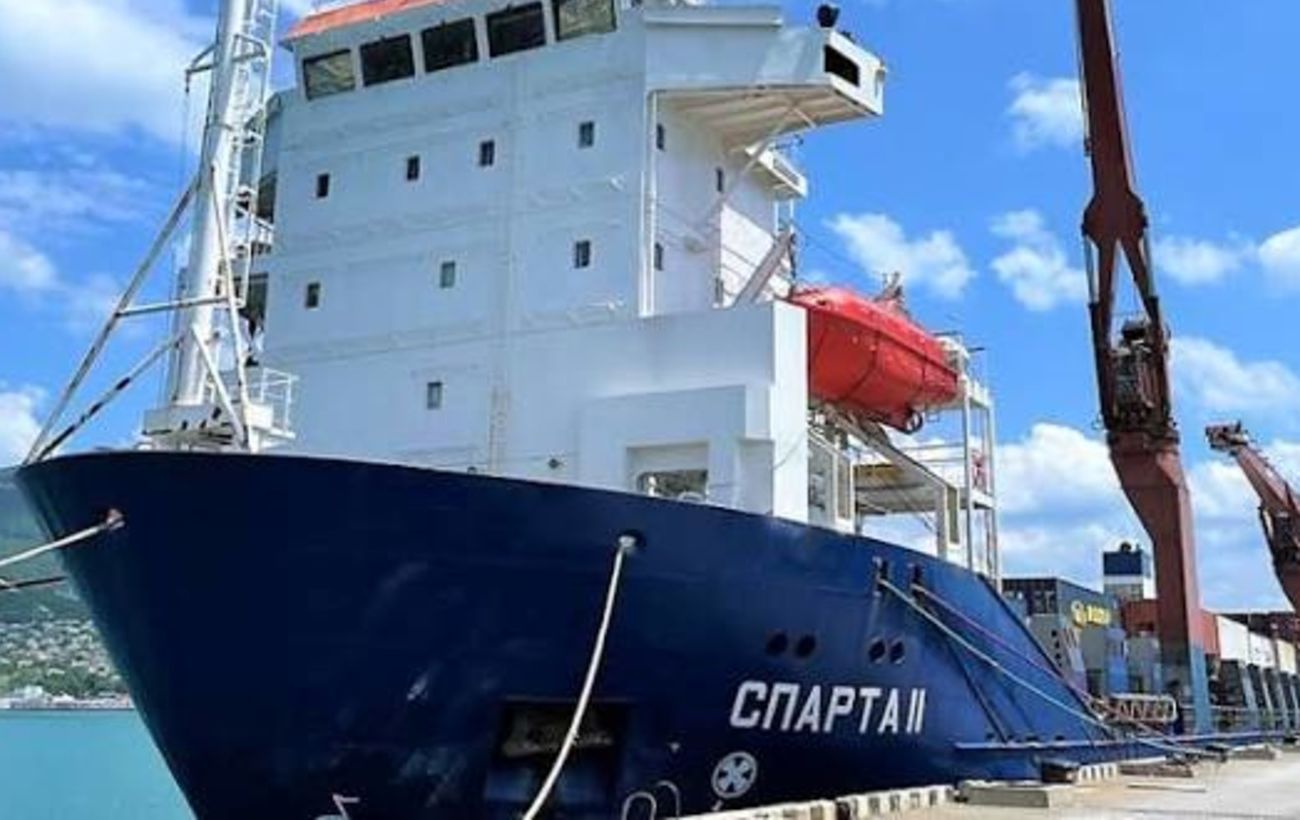
Russian vessel Sparta II still on fire in Gulf of Finland following drone attack
Firefighting operations continue in Finnish territorial waters on the Russian cargo ship Sparta II, which was struck by Ukrainian drones. The crew has been evacuated, whi…
 🎭Culture & Sport
Miley Cyrus Secretly Marries Max Morando at Frank Sinatra's Former Estate
American pop star Miley Cyrus has officially tied the knot with musician Max Morando during an intimate ceremony in California.
 🩺Health
Dnipro and Suburb Residents Face Water Disconnections Over Accumulated Debts
Between November 23 and 27, local utility providers will disconnect water supplies to private households in Dnipro and Novoleksandrivka due to unpaid bills.
 🩺Health
Dnipro Utility to Disconnect Water Supply for Private Sector Debtors Next Week
From November 23 to 27, 2026, KP Dniprovodokanal will disconnect water supply to private households in Dnipro and Novoleksandrivka due to accumulated utility debts totali…
 🩺Health
The Philosophy of Repair: Why Daily Reconstruction Becomes the Next Step for Ukraine
Current challenges require Ukrainian society to adopt a «broken world thinking» where continuous maintenance and repair of damaged infrastructure and social environment b…
 🩺Health
Theatre tours in Europe: why Ukrainian comedies bring tears to audiences
Producer Serhii Chudaiev shared insights on the challenges of Ukrainian theatre tours abroad, emotional audiences, and logistics.