History of the Calendar: Why We Celebrate New Year on January 1st
We explore the historical origins of the January 1st date and the evolution of New Year traditions around the world.
 🎭Culture & Sport
Photo: TSN
Key points
- January 1st became the New Year date thanks to Julius Caesar's reform.
- The Gregorian calendar finally unified the date in 1582.
- The month's name comes from the god Janus, who looks into the past and future.
From Ancient Rituals to the Gregorian Calendar
The tradition of marking the beginning of the new year on January 1st is not a constant that has existed for centuries. Historically, different civilizations linked this date to natural cycles, such as the flooding of the Nile in Egypt or the vernal equinox in Babylon. Ancient societies focused on agricultural needs, so the start of the year often fell in the spring or autumn.
The modern date was finally cemented by the reforms of Julius Caesar, who introduced the Julian calendar in 46 BC. The name of the first month, January, comes from the Roman god Janus, who symbolized transitions and the ability to look both into the past and the future. However, even after this, celebration dates in medieval Europe remained inconsistent, varying from Christmas to Easter.
Global Standard and Cultural Features
The unification of timekeeping occurred only after the introduction of the Gregorian calendar by Pope Gregory XIII in 1582. It became the foundation for the modern civil calendar used by most countries in the world, including Ukraine.
- Spain: The tradition of eating 12 grapes as the clock strikes midnight.
- Italy: Eating lentils as a symbol of future financial prosperity.
- Japan: The Buddhist ritual of ringing bells 108 times to cleanse oneself of passions.
- Scotland: The 'first-footing' custom, where the first guest to enter a house determines the luck of the coming year.
Source TSN — tsn.ua/tsikavinki/koly-sviatkuiut-novyy-rik-chomu-data-prypadaye-na-1-s… ↗
Read next
 🛡️Security
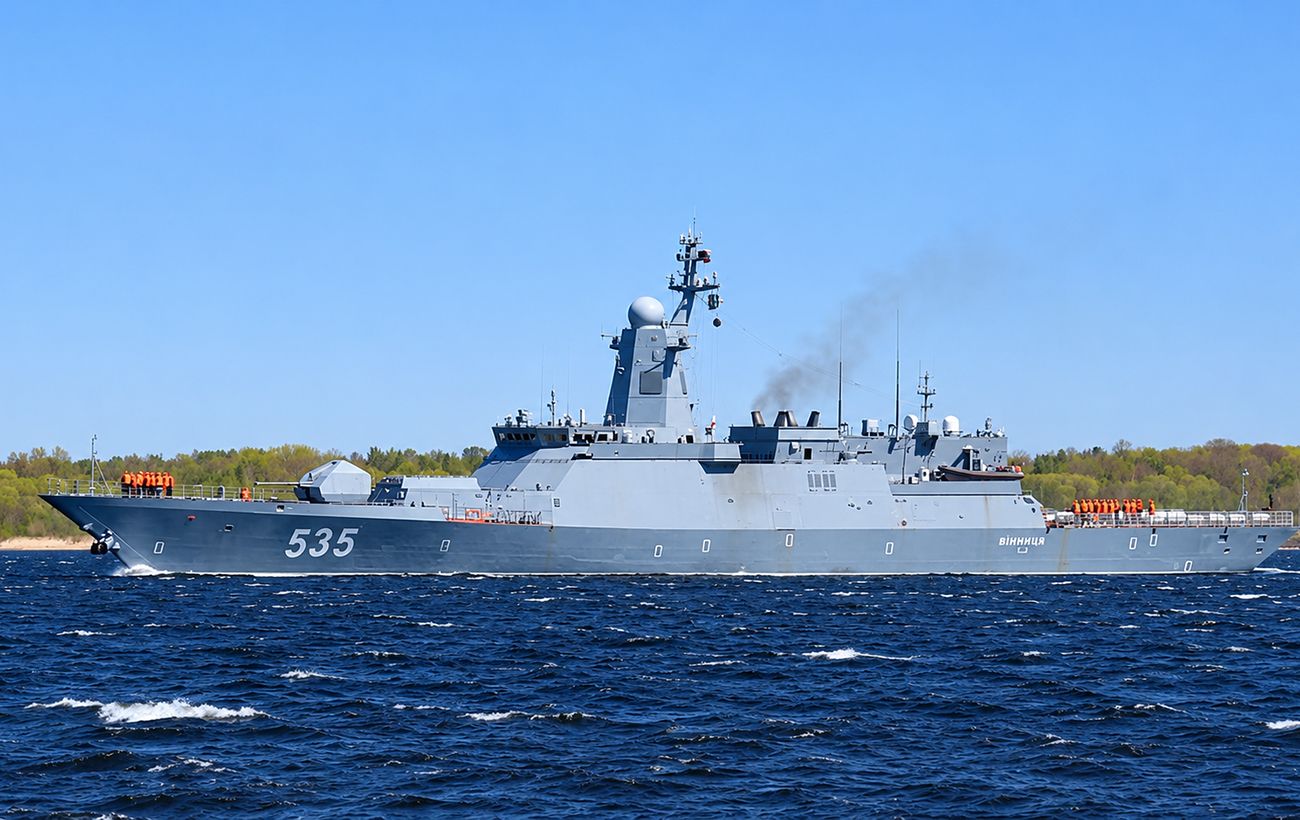
Albania denies involvement in Ukrainian sea drone attack on Russian ship in Libya
Albania's Ministry of Foreign Affairs has rejected claims that its territory was used as a launchpad for the drone strike on the Russian corvette Mercury.
 🏛️Politics
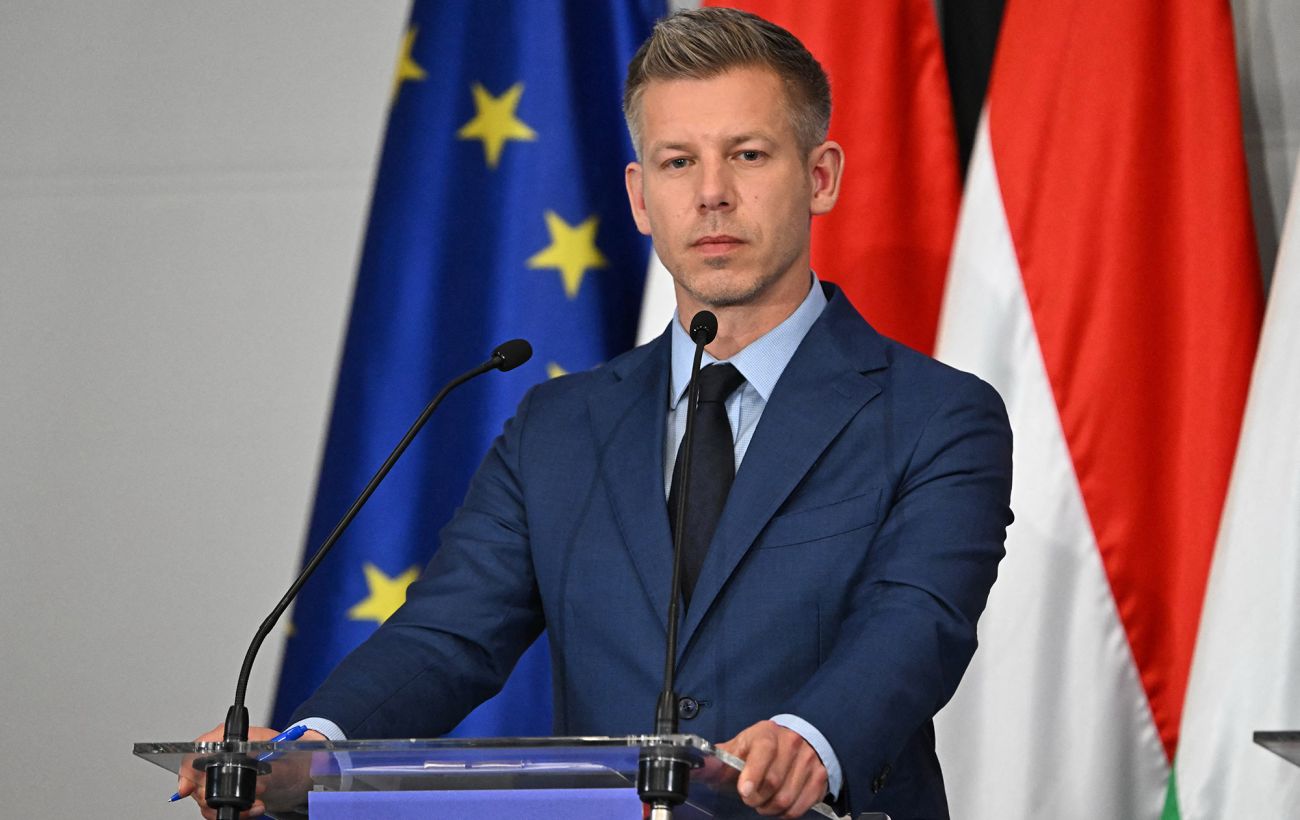
Hungarian Prime Minister Péter Magyar Calls Russia an Aggressor and Announces Transcarpathia Visit
Hungarian Prime Minister Péter Magyar has openly condemned Russian aggression following strikes on Transcarpathia and confirmed plans to visit the Ukrainian region.
 🛡️Security
Arctic blast: severe frost approaching Europe and Ukraine
Meteorologists forecast a sharp drop in temperatures across Central Europe and Ukraine, expected to peak at the turn of November and December.
 💼Economy
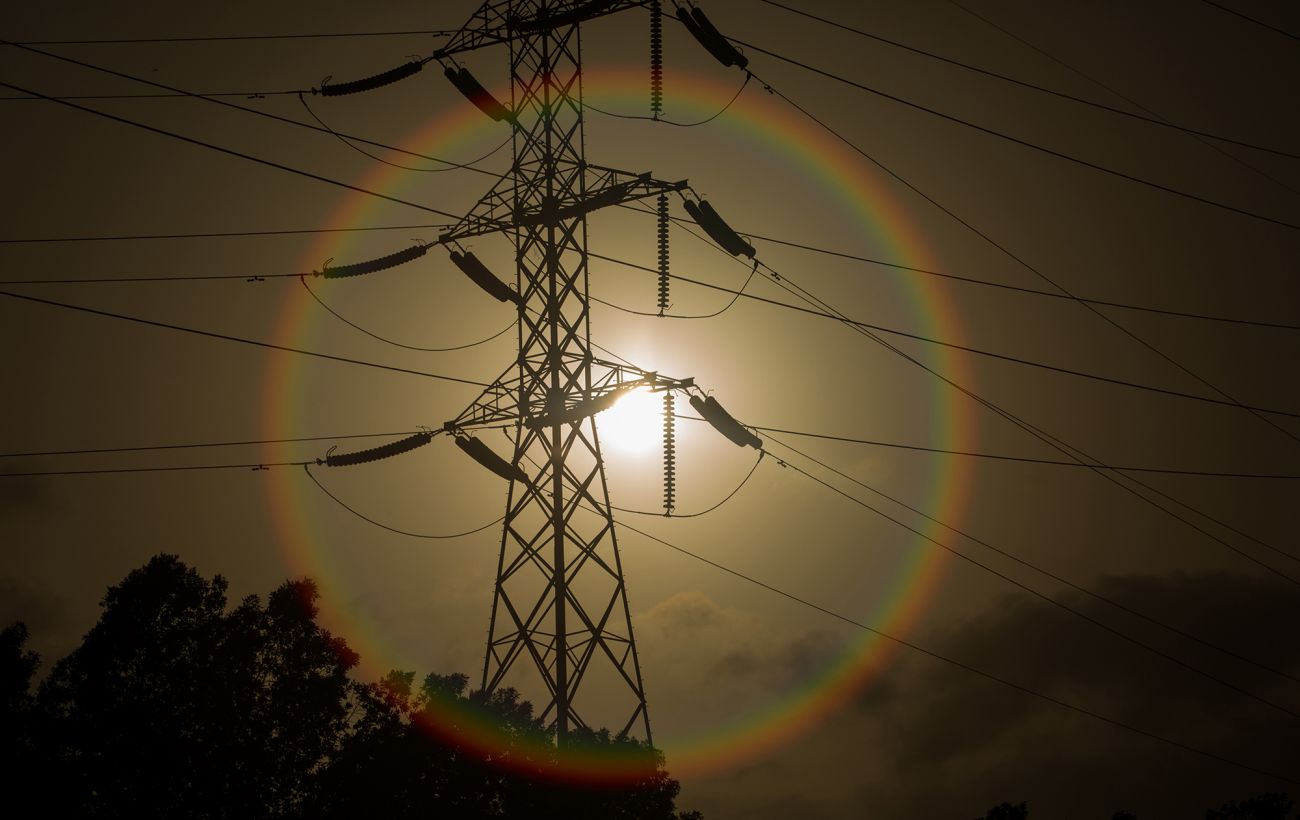
Energy Market Financial Crisis: Ukrenergo's Debts Reach Record Highs
Ukrenergo's debt to balancing electricity market participants doubled over a year and a half, reaching UAH 38.5 billion by late October 2026.
 🇺🇦Ukraine
European Commission favors multilateral format for negotiations with Russia
The European Commission has acknowledged receiving an invitation from Moscow but emphasized the necessity of multilateral negotiations involving allies.
 🏛️Politics
Debate over evidence base: SAPO prosecutor comments on NABU's media operations
During a discussion on the efficiency of anti-corruption bodies, SAPO prosecutor Rostyslav Batyh unexpectedly praised the video editing skills of the NABU team. This came…